

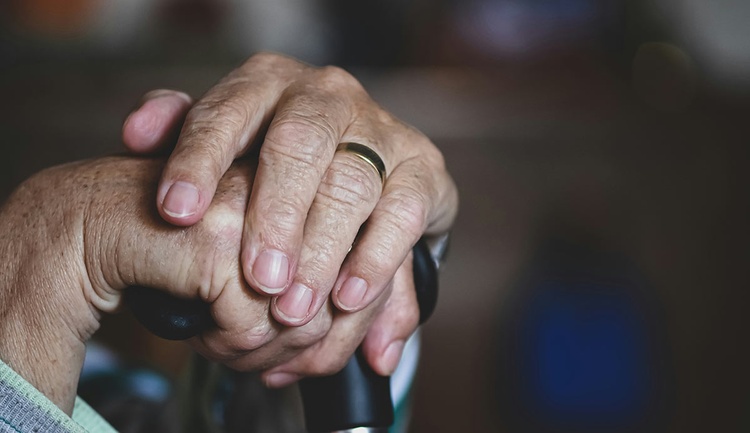

I listened on audio to Jen Wilkin’s new book Dust to Dust: Aging Wisely in an Anti-Aging World. She does a wonderful job of connecting those decreasingly helpless at the beginning of life with those increasingly helpless at the end of life. I highly recommend this to people of all ages who want to understand themselves and their family and friends better, and be able to help them with greater wisdom.
Jen writes in the first chapter:
From the moment you are born until the moment you die, you are aging. Every second of every minute of every hour of every day of every month of every year, your life counts up to midlife and down to end of life. How does that make you feel? Does your chest tighten with anxiety? Maybe you feel pressure to accomplish something more or different with the time you have left. Or maybe you feel very little at all about the ticking away of your life’s time clock.
Perhaps more importantly, how should thinking about the countdown of your life make you feel?
This is not a book about death or the afterlife. Nor is it a book about dying, per se. This is a book about this life and the unexpected path to living it to the full. We find that path through a right assessment of the aging process, one that is The True Story of Aging 4 distinctly Christian in its perspective. I believe that how we think about aging, and, relatedly, the aged themselves can alter the course of our lives either for the better or for the worse. More than that, I believe embracing and living from a Christian view of aging is one of the simplest ways believers can shine like stars in our current generation.
She goes on to connect the way our prolife convictions should inform our view of aging:
For generations, Christians have believed and affirmed the true story that life is a gift from God in all of its stages. Our whole-life pro-life commitment means we believe every person at every stage of life is made in the image of God. We make a conscious commitment to value all of human life, from beginning to end—or from dust to dust, as the centuries-old graveside liturgy expresses it. But we inhabit a world that is dead set on living in a false story of aging—one that values, at most, only the first half of life but does not value its second half of bodily decline.
The Christian whole-life pro-life commitment is beautiful on our lips, but it is more beautiful as it moves to our hands and feet. We assert that all of life is valuable in all of its stages, but do we prove we believe that story by living in a way that reflects this conviction? We will ask that question on repeat in the chapters to come. One of the simplest ways for the modern church to live counterculturally is to embrace, defend, and live as though we value all of life, including the latter parts. But to do so, we must grapple with—and, I believe, reject wholesale—the prevailing attitudes toward decline and death that make up a whopper of a false story.
You can read the whole first chapter here.
Watch Jen share more in this video:


