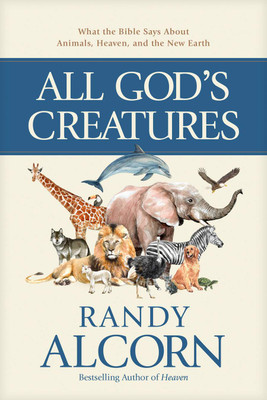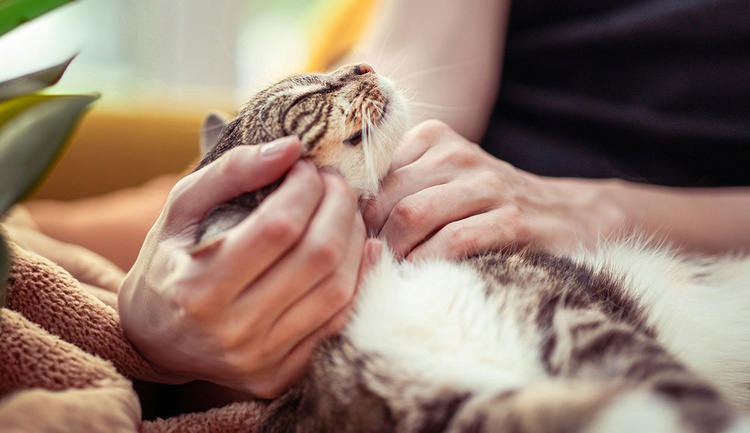

I’ve been asked if in All God’s Creatures I address the issue of people idolizing their pets. I do talk about this in the book, recognizing it’s possible to make a pet into an idol by having an unhealthy attachment. This can be a serious problem. I believe when it is properly held and demonstrated, our love for animals reflects God’s own nature and affection. The problem is almost never with the object of our affection, but that we love it more than we love God. That’s when devotion to pets—or anything else—becomes idolatry.
In God in the Dock, C. S. Lewis wrote:
The woman who makes a dog the center of her life loses, in the end, not only her human usefulness and dignity but even the proper pleasure of dog-keeping. . . . Every preference of a small good to a great, or partial good to a total good, involves the loss of the small or partial good for which the sacrifice is made. . . . You can’t get second things by putting them first. You get second things only by putting first things first.
But the same thing is true of the abuse of nearly every good thing in the world—some people worship food, while others worship their careers, public image, retirement programs, technology, clothes, sports and athletes, hunting or fishing, education, music, art, quilt-making, home theatre, luxury vacations, cars and trucks, shoes, designer handbags, and collectibles. You can idolize your spouse, children, church, pastor, your credentials, career, degrees, hobbies, sex, politics, health, safety, books, your house and second or third houses, and nearly anything else.
I find it interesting that believers who might be effectively worshiping one or several of these things are sometimes slow to recognize their own idolatry, but quick to see someone who does it with their pets. So you can have a pastor who lectures his church or makes demeaning remarks because of how much money some of them spend on buying pets, pet food, veterinary care, etc., but who spends as much or more on his golfing, new truck, and/or luxury vacations. It’s always easier to see other people’s excesses than our own.
It’s right and fair to address the problem of people idolizing pets as long as we don’t make judgmental assumptions, and we recognize and repent of what we ourselves are idolizing. It’s easy not to idolize what we don’t like! For instance, it’s no virtue on my part that I do not idolize opera or ballet, and in fact, might be willing to pay not to have to go to them! However, I have no problem with those who do spend their money on them. Differences in personal tastes are not issues of spirituality.
Our ministry will always encourage people to live for eternity by investing in God’s Kingdom work and making choices in light of what will last forever. But we need to be careful not to judge others’ hearts and make assumptions just because someone makes different discretionary choices in caring for their animals than we would make. Idolatry sometimes demonstrates itself in vivid ways, but other times, it is a hidden sin of the heart. It’s certainly possible an individual needs conviction and repentance about idolizing their pet, but we’re called to not readily condemn people by presuming we know their motives, since we lack omniscience. (For example, someone may spend more time and money on a pet than you would, but also simultaneously be giving generously to causes close to God’s heart. You might not be in a position to know that.)
I do think we should encourage people to order their affections rightly: that is, to bring all of life under Christ’s Lordship, including pet ownership. The one way to avoid idolatry is to take the most pleasure in the one true God.
Tim Keller wrote, “Sin isn’t only doing bad things, it is more fundamentally making good things into ultimate things. Sin is building your life and meaning on anything, even a very good thing, more than on God.”
In an episode of Ask Pastor John about pet stewardship, John Piper offers these questions for reflection:
- Does this animal point us to God and help us love God more, or does it distract us from God and replace God?
- Does this animal draw out of us virtuous impulses, or does it stir up unrighteous impulses? Do we treat people better because of this animal?
- Does our relationship with this animal accord with and confirm God’s order of creation, or does it distort that order? Is the animal starting to fill needs that only a human should fill?
- Is the care for this animal hindering resources and time that should be spent blessing other people?
He adds, “Now, I’m trying to be careful with that last question because I know there are people who don’t have pets who are stingy, and they’re not generous to other people, and there are people who do have pets that are lavishly generous to other people. Giving up their pets wouldn’t make them more generous to other people. So, I’m asking, ‘Is the pet hindering generosity to others?’”
And I love his conclusion to the episode: “Get yourself a dog, and be way more generous with other people than you are now.”
A significant part of following Christ is learning to identify and tear down idols—figuring out how to enjoy His creations while worshiping God alone. As Edward Leigh wrote in 1629, “The happiness of man consists in the enjoying of God. All other things are no otherwise means of happiness or helps to it, then as we see and taste God in them.”
May God help us to glorify and enjoy Him in all things, including in stewarding our pets!