
On social media, I shared a post about how human lives are valuable from their very beginning:
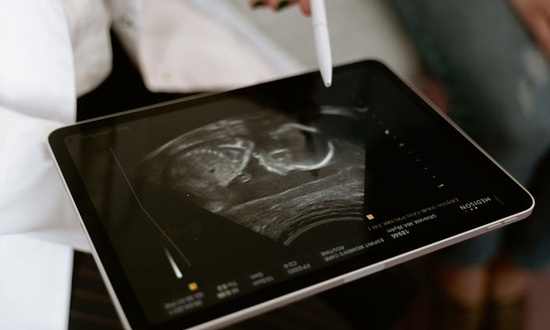
Like toddler and adolescent, the terms embryo and fetus don’t refer to nonhumans but to humans at particular stages of development. Fetus is a Latin word variously translated “offspring,” “young one,” or “little child.” It’s scientifically inaccurate to say a human embryo or a fetus is not a human being simply because a baby is at an earlier stage of development than an infant. This is like saying that a toddler isn’t a human being because he or she is not yet an adolescent. “For you formed my inward parts; you knitted me together in my mother’s womb” (Psalm 139:13, ESV).
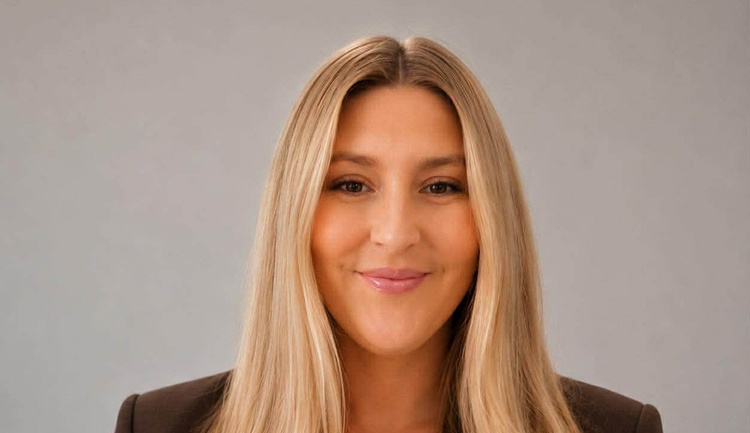
I received a response from a young woman, Hannah Strege, who wrote: “Thank you for saying this, Randy. As the first adopted frozen embryo born, I’ve lived this reality. Embryo isn’t a different kind of being. It’s the earliest stage of a human life. I didn’t become human later. I simply grew.”
Hannah's mom, Marlene, also sent me a message and explained that years ago she and her husband John adopted 20 frozen embryos from a couple who had undergone IVF, but were unable to parent any more children. As a result, Marlene carried and gave birth to their daughter Hannah.
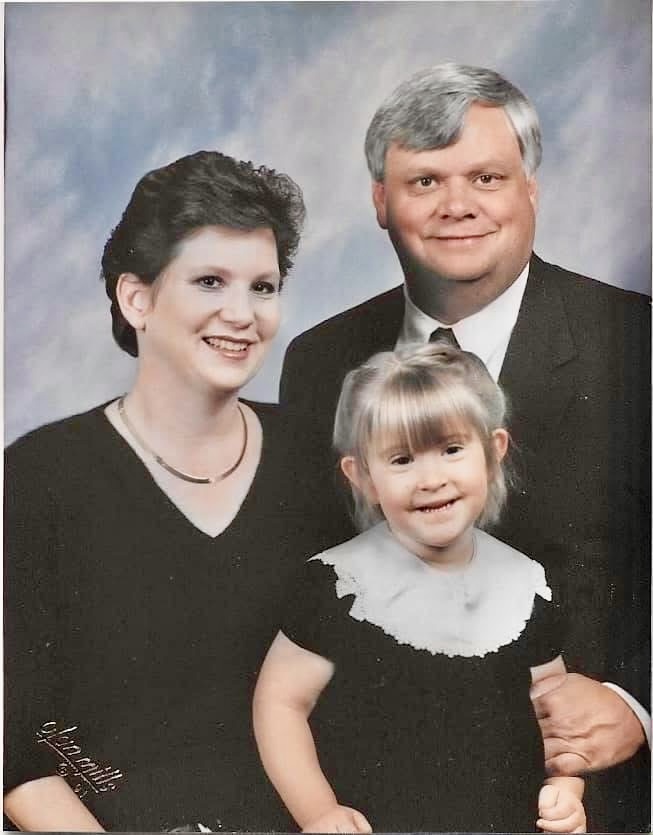 Marlene says, “Dr. James Dobson was one of four that I asked the question, ‘What would God think about adopting frozen embryos?’ We did our first broadcast with him when Hannah was five months old. At the end of the broadcast he said, ‘I just feel like this child’s godfather. May I have that role?’” The Streges told him, “Of course!” (Read more about their story in an article here, as well as in a book John authored, titled A Snowflake Named Hannah: Ethics, Faith, and the First Adoption of a Frozen Embryo.)
Hannah, now 27, and Marlene testified in Missouri regarding a Personhood Amendment. When they returned home, Hannah was encouraged to record her testimony to share online. This eight-minute video from Hannah is heart stirring. After watching it, I feel like I know her. Not only was she the first of her kind, but her presentation was the first of its kind I have ever seen! I find myself still thinking about it:
Here’s a portion of her presentation, but I certainly encourage you to listen to the whole thing:
Before I had a heartbeat in a womb, before I had a birth certificate, before I had a name, I had an inventory number. For two years and nine months, I existed in a frozen canister of liquid nitrogen. My legal status was not child, it was property.
My name is Hannah Strege. I'm 27 years old, a licensed social worker, and to my knowledge, the first adopted frozen embryo in the world. When my parents adopted me and my 19 siblings, we had already existed for nearly three years, not in a nursery, not in a home, but in storage—biologically human, yet treated under property law.
There are federally protected animal species in this country whose embryos and eggs receive explicit legal safeguards. Bald eagle embryos are protected. Certain turtle eggs are protected. Yet human embryos, children like I once was, may be bought, sold, abandoned, and destroyed. In many jurisdictions, they are handled through property law frameworks. I am before you now as someone who has once lived under that classification.
Hannah’s powerful words serve as a wakeup call to everyone who’s never thought about frozen embryos, which probably includes most followers of Jesus. Just as abortion survivors brought a whole new light on abortion, likewise frozen embryo survivors bring a whole new light to this issue!
Sadly, estimates suggest that as a result of IVF (in vitro fertilization), there are somewhere between 1 to 10 million frozen human embryos currently in storage in the U.S. Not only should we think about them, we should actively care about them and encourage people to adopt frozen embryos if they are willing to give birth to them. While the birth mom is not the genetic mom, the bonding that comes with giving birth to them and being the mother who cares for them will always be hers and her children’s.
There is something sacred about this, to speak up for those who cannot speak for themselves—not only children already conceived and growing in the womb, but also children already conceived but existing in an ongoing frozen state that they could be delivered from. These are God's image bearers, and both He and they deserve for them to be treated as such.
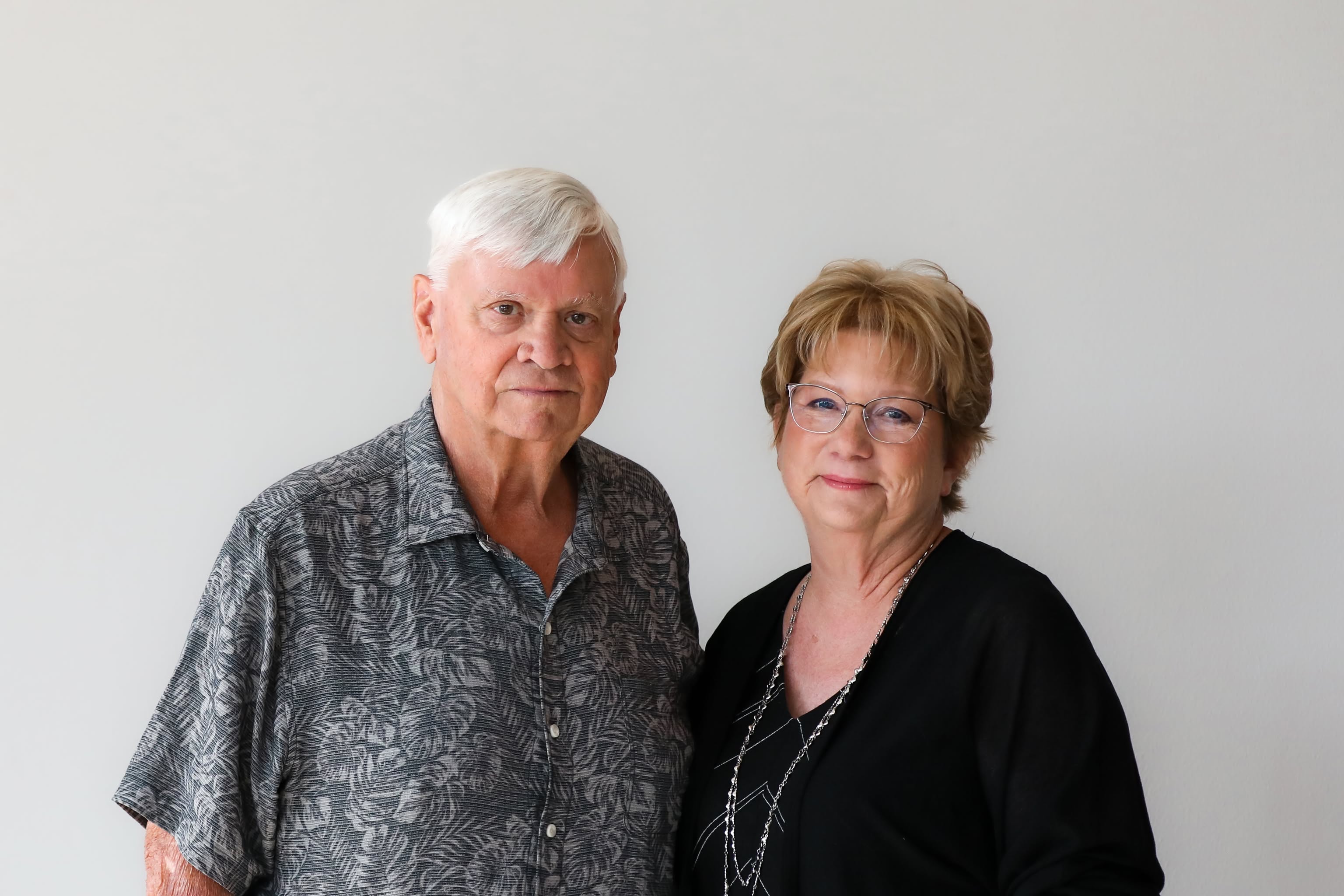 The spiritual implications are stunning: on the one hand, disturbing when embryos are disposed of; on another hand, disturbing when they remain frozen. But what joy at the prospect of them being adopted by a mother committed to caring for them by placing them in her womb! (If you’d like to learn more about embryo adoption, the Strege family recommends Flourish Adoption Ministries. My thanks to Marlene, John, and Hannah for sharing their story and pictures!)